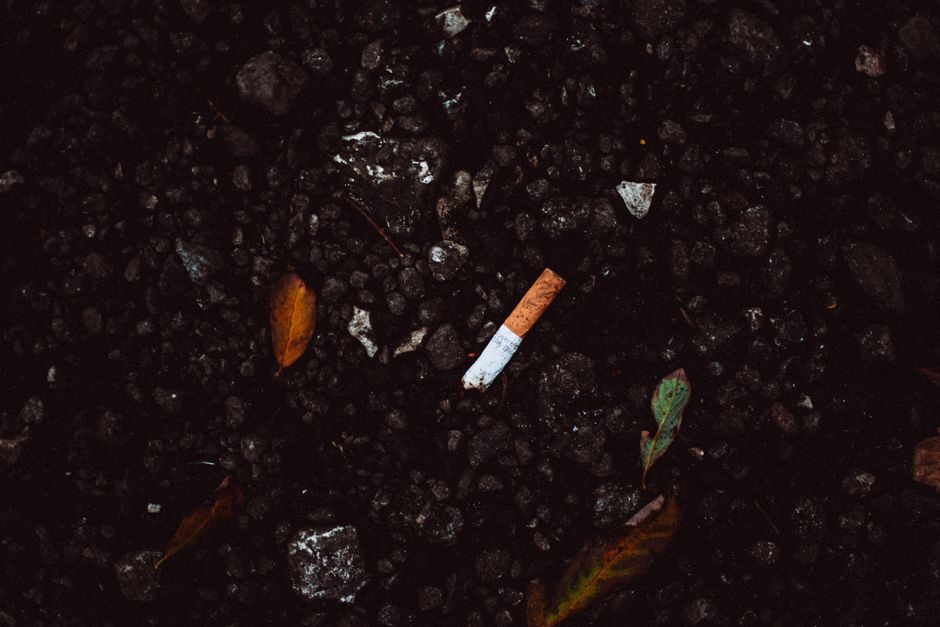
Of all the things people drop, the cigarette end may be the most consistently overlooked. It is small, and it is dropped almost automatically, often by people who would never leave a bottle or a wrapper on the ground. That gap between how it is treated and what it actually is makes it worth a closer look.
The most common litter of all
Counts of litter around the world regularly place cigarette ends at or near the top. Their small size hides their scale: because they are dropped so casually and so often, they add up to an enormous total on pavements, in gutters, on beaches and around bus stops and doorways. A single end is easy to ignore, which is precisely why so many accumulate.
The filter is plastic
The common belief that a filter is made of harmless cotton or paper is mistaken. Most cigarette filters are made from a form of plastic. That matters, because it means a dropped filter behaves like other plastic litter: it does not simply rot away. Instead it lingers, and over time it breaks into smaller and smaller fragments — the microplastics discussed on ocean plastic and marine litter.
Because the filter is plastic, a cigarette end is not a minor, quick-to-vanish piece of litter. It is a small piece of long-lasting plastic pollution.
Why it matters more than its size
It holds toxins
A used filter has trapped chemicals from tobacco smoke. When it sits in the rain those substances can leach into soil and water, so the harm is not only physical but chemical.
It reaches water easily
Small and light, ends wash into drains with the slightest rain and follow the same route to rivers and the sea as any other litter.
It endangers wildlife
Filters can be mistaken for food by birds and other animals; swallowing them causes the harms described on litter and wildlife.
The habit behind the litter
Part of what keeps cigarette litter so common is that it is not always seen as littering at all. Flicking an end into a gutter or grinding it out on the pavement has become normal in many places. Naming it plainly — this is dropping plastic litter that will outlast the person who dropped it — is a useful first step, because a habit is easier to change once it is recognised for what it is.
Disposing of ends responsibly
- Make sure an end is fully out, then place it in a bin rather than a drain, verge or gutter.
- Carry a small sealable tin or a purpose-made pocket ashtray when no bin is nearby.
- Never drop ends on beaches or near water, where they reach the sea almost immediately.
- At events and gatherings, provide clearly marked disposal points so ends are not simply dropped.
Fire safety matters too: an end that is not fully extinguished can smoulder. Make sure it is cold before pocketing or binning it, especially in dry conditions or near dry grass.
The cigarette end is a small object with an outsized footprint: common, plastic, toxic and quick to reach water. Treating it as the litter it is closes one of the largest and most avoidable gaps in everyday tidiness. See more subjects on the topics page, or read why litter matters.