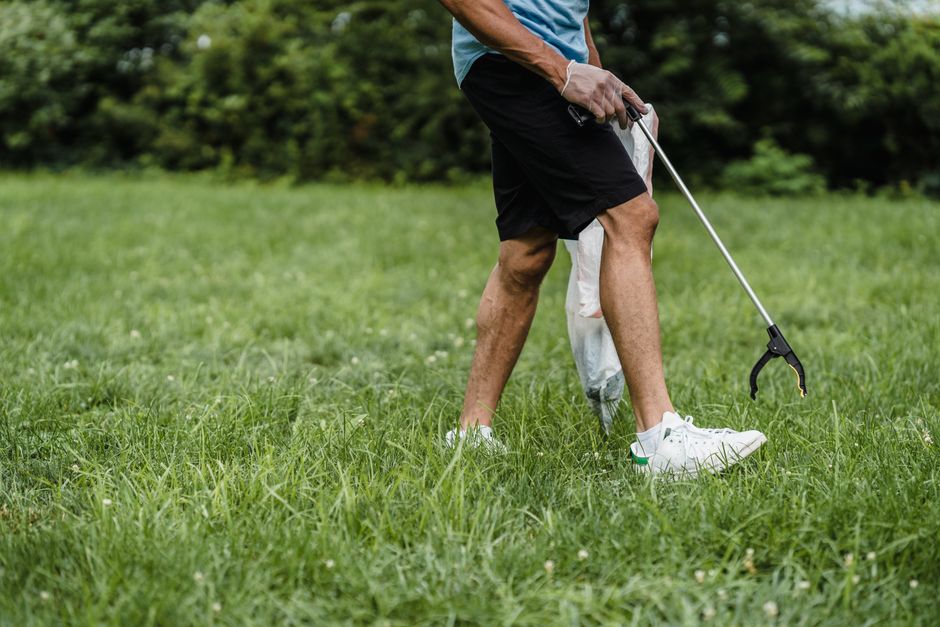
The word plogging combines jogging with a term meaning to pick up. The idea is exactly what it sounds like: you run, and when you pass a piece of litter you stop, pick it up, and carry on. Bending and reaching for rubbish adds a little extra movement to the run, and the neighbourhood benefits from every item collected. It is a low-cost, flexible way to fold litter picking into a routine you already have.
Why it works
Plogging suits people who like the idea of helping but cannot commit to organised events. There is no schedule to keep and no group to coordinate; you simply pick up as you pass. Because runs are frequent and cover ground, small amounts collected often can add up to a real difference along a regular route. It also changes how you see familiar streets, and many ploggers find they notice — and mind — litter far more than before.
How to start
Begin gently. Keep your first outings short and do not feel you must clear everything; picking up a handful of items is a fine start. Choose a route you know, ideally with bins along the way so you are not carrying rubbish for long. Pace yourself, since stopping and bending interrupts the run and it is easy to overdo it at first.
Safety and responsibility note. Wear gloves, and use a small litter-picker if bending mid-run is awkward. Never pick up sharps — broken glass, needles — by hand; leave them and report them to the council. Stay aware of traffic, especially when stopping near roads, and do not step into the road for a piece of litter. Watch your footing so you do not trip. If plogging with children, keep the group together, supervise closely and set only safe tasks. Follow local rules and respect private property — do not trespass.
Kit to carry
Gloves
Reusable gloves are essential for hygiene and to protect against unseen edges. Wash them after each run.
A bag
A small, sturdy bag or a purpose-made pouch for the rubbish you collect. Some ploggers keep separate bags for recyclables.
A picker (optional)
A compact litter-picker saves your back and lets you lift dubious items without touching them.
Etiquette
- Only bin or recycle what you collect — do not leave a full bag behind for someone else.
- Sort recyclables from general waste where you can; see reduce, reuse, recycle.
- Be considerate of other path users when you stop suddenly to pick something up.
- Leave anything hazardous or suspicious alone, and report it rather than carry it.
- Do not compete for the biggest haul; a steady habit matters more than a record run.
Beyond the solo run
Plogging scales well. Friends can plog together, and clubs sometimes fold it into group runs. If you enjoy the shared version, a more structured tidy-up may appeal too; the community cleanup guide covers how to run one safely. For the reasoning that makes any of this worthwhile, why litter matters sets out the case.
Plogging asks very little: a pair of gloves, a bag and the willingness to pause a run now and then. In return it keeps you active and leaves your regular routes cleaner than you found them. Explore related subjects on the topics page.