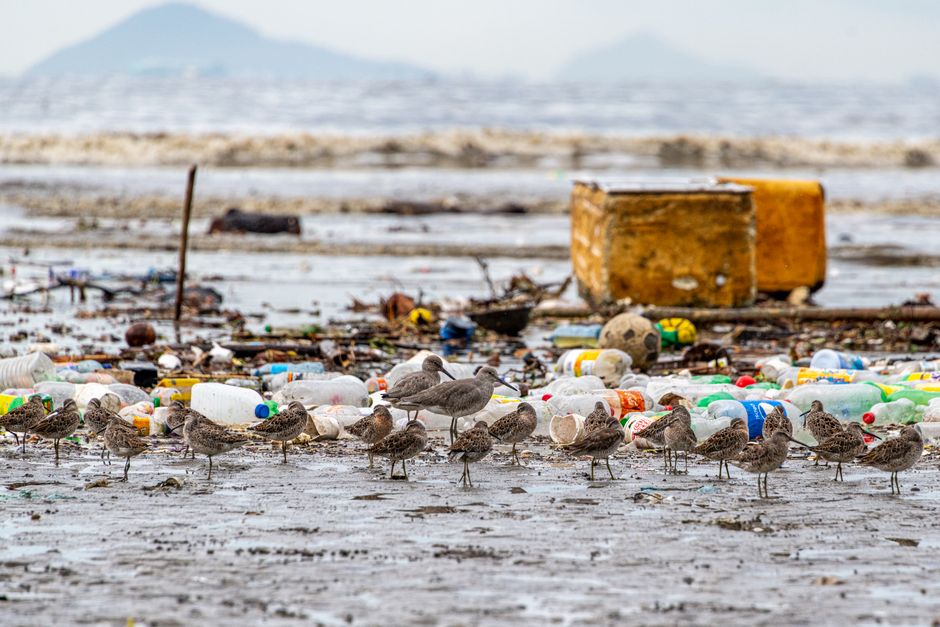
Wildlife encounters litter every day, in gardens, hedgerows, rivers and along coasts. Because animals explore the world with their mouths and bodies rather than with caution, discarded rubbish poses hazards that a person would simply step around. The harm falls into a few recurring patterns.
Entanglement
Loops and strands are among the most dangerous shapes litter can take. The plastic rings from drink multipacks, fishing line, netting, elastic bands and the handles of carrier bags can catch around a neck, a beak, a wing or a limb. A loop that fits a young animal can tighten as it grows, causing wounds, restricting movement, or stopping it from feeding. Birds, seals and small mammals are all affected. Snipping the rings of multipack holders before binning them is a small habit that removes one clear risk.
Swallowing rubbish
Many animals mistake litter for food. Bright fragments of plastic, greasy wrappers and discarded food packaging all attract attention. Once swallowed, indigestible material can block or damage the gut, and an animal with a stomach full of plastic may feel full while slowly starving. Seabirds, fish and grazing animals are especially prone to this, and the problem grows as plastic breaks into smaller pieces that are easier to swallow by accident.
Food packaging is a double hazard: the smell draws animals in, and the plastic that carried the food is exactly what harms them if eaten. Wiping and binning takeaway containers keeps both the scent and the plastic out of reach.
Traps and injuries
Containers
Tins, jars and bottles can trap the head of a curious animal, or lure small creatures inside where they cannot climb out. Rinsing and, where possible, crushing containers before disposal reduces the trap.
Sharp waste
Broken glass and jagged metal cut paws, hooves and mouths just as they cut people. Injuries can become infected long after the encounter.
Toxins
Batteries, vape devices and chemical containers can leak substances that poison animals directly or contaminate the ground and water they depend on.
Damaged habitat
Beyond direct injury, litter degrades the places animals live. A pond clogged with plastic bags, a verge buried under fly-tipped waste, or a beach coated in fragments is a poorer home for the species that rely on it. Nesting birds sometimes weave plastic into nests, where it can trap chicks. Litter that leaches chemicals changes the soil and water over time. The damage is quieter than a single trapped animal, but it reaches more of them.
From street to sea
Much wildlife harm happens far from where the litter was dropped. Rubbish left inland is carried by wind and rain into watercourses, so a wrapper dropped in a town can end up threatening marine life. The journey and its consequences are described on ocean plastic and marine litter. One of the most common culprits, small and easily overlooked, is covered on cigarette butt litter.
What helps
- Use a bin, or carry rubbish home when none is available.
- Cut plastic rings and loops before binning them.
- Rinse and crush containers so they cannot trap or lure animals.
- Keep sharp waste separate and bagged so it cannot injure.
- Join or organise a tidy-up; the community cleanup guide shows how.
Protecting wildlife from litter rarely calls for anything heroic. It comes down to a handful of small habits repeated often. See the wider set of subjects on the topics page, and read why litter matters for the bigger picture.