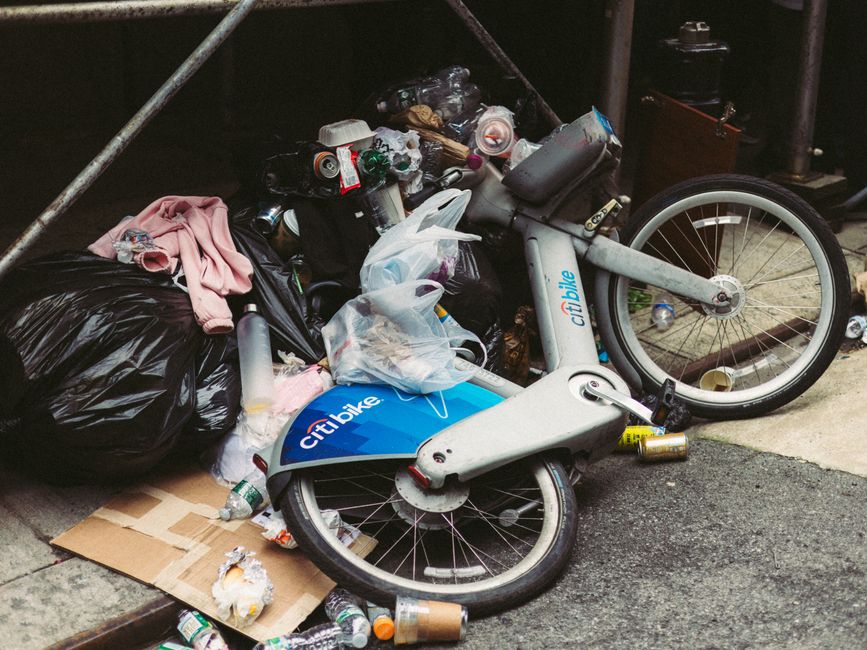
It is easy to treat a single dropped item as trivial. One cup, one cigarette end, one crisp packet rarely feels like a decision worth thinking about. The trouble is that litter is never really a single item. It is the sum of countless small choices, and where those choices collect, the effects stop being cosmetic and start being practical.
More than an eyesore
Litter does change how a place feels. Streets and parks that are strewn with rubbish read as neglected, and neglected spaces tend to attract more dropping and more damage. But the case against litter goes well past appearance. The same materials that spoil a view also break down slowly, leach into soil and water, and put animals at risk.
The main harms
Wildlife
Animals can become tangled in loops of plastic, netting and can holders, or swallow fragments they mistake for food. Both cause injury and, over time, real harm to local populations. This is covered in more depth on litter and wildlife.
Water
Rain washes street litter into drains, then into streams, rivers and eventually the sea. Much of what ends up as ocean plastic and marine litter began far inland as everyday rubbish.
Health and safety
Broken glass and discarded metal cause cuts. Food waste attracts vermin. Dumped items can block paths and drains. None of this is dramatic on its own, yet it adds steady, avoidable risk.
A cost that gets passed on
Someone always pays to clear litter. Councils, landowners, transport operators and volunteers spend time and money picking up after others, and that spending competes with everything else a community might want. Money used to sweep pavements and empty overflowing bins is money not spent on parks, repairs or services. When people talk about litter being expensive, this is what they mean: not a fine here or there, but the quiet, ongoing drain of cleaning up waste that need not have been dropped.
A useful way to think about it: litter is not free just because you walk away from it. The cost simply moves to someone else — a neighbour, a volunteer, a wildlife charity, or the taxpayer.
Cigarette ends are litter too
One item is dropped so often, and noticed so little, that it deserves a mention here. Cigarette filters are frequently flicked away as if they were harmless, yet most contain plastic and are one of the most common forms of litter worldwide. They wash into drains as readily as any wrapper. The dedicated page on cigarette butt litter explains why this small object matters more than its size suggests.
Why individual habits still count
It is fair to ask whether one person's care makes any difference against a problem this large. It does, in two ways. First, litter is cumulative, so every item not dropped is one that never has to be cleared or that never reaches a river. Second, environments set expectations. A clean space signals that dropping rubbish is out of place, and that signal shapes how others behave. Litter tends to gather where litter already sits.
The encouraging part is that this is one environmental problem where ordinary habits have a direct, visible effect. Using a bin, carrying rubbish home when no bin is nearby, and taking part in an occasional tidy-up all reduce the total. Reducing what we throw away in the first place helps even more; the page on reduce, reuse, recycle looks at that side of things.
Litter matters because it connects small, everyday actions to wildlife, water, health and community spending. That connection is exactly why paying a little attention is worthwhile. Browse the full set of subjects on the topics page.