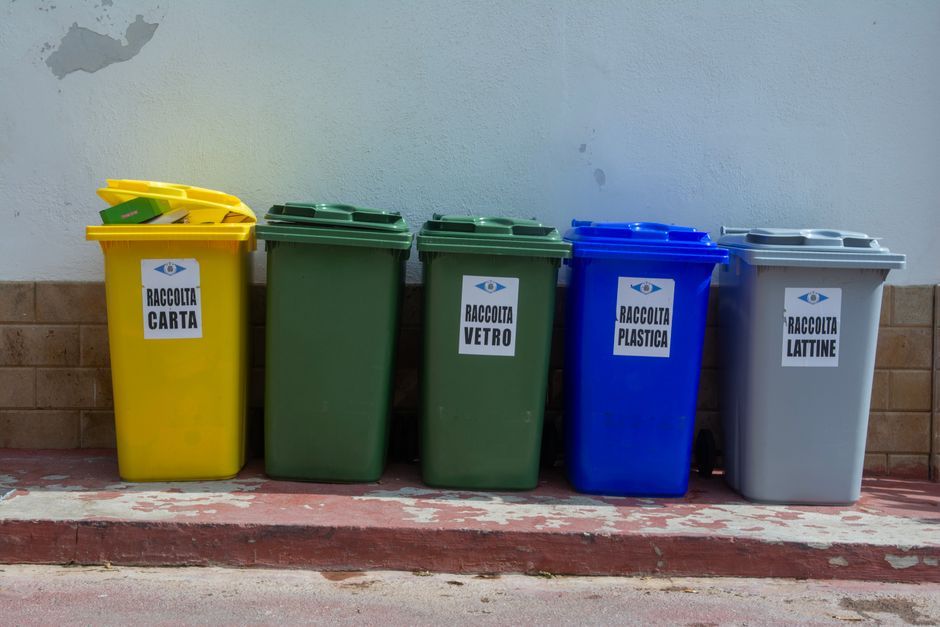
Most people remember the three Rs as a friendly slogan, but the order matters. It describes a hierarchy: the options at the top prevent waste, while the ones lower down only deal with it after the fact. Litter is what happens when material escapes every stage of that hierarchy, so the further up you act, the less there is to drop, blow away or wash into a drain.
Reduce: stop the waste at source
Reducing means simply using less — fewer single-use items, less packaging, less of what you'll throw away within minutes. It is the most effective step because a bottle or wrapper that is never produced can never become litter. Everyday reductions add up:
- Carry a refillable water bottle and a reusable coffee cup rather than buying single-use ones on the move.
- Keep a folded bag in your pocket or car so you're not handed a new one each shop.
- Choose loose fruit and veg over shrink-wrapped trays where you can.
- Say no to freebies and giveaways you won't actually use — much of it is destined for a bin the same day.
Reuse: get more from what you already have
Reusing keeps an item in service instead of sending it to the waste stream after a single outing. A glass jar becomes storage, a takeaway tub holds leftovers, a worn shirt becomes a cleaning rag. Repairing counts too: a mended zip or a re-soled shoe delays the day something is thrown out. Passing things on — to friends, charity shops or online swap groups — keeps them useful to someone even when you're done.
Recycle: the safety net, not the goal
Recycling sits at the bottom of the hierarchy for a reason. It's far better than sending material to landfill or letting it become litter, but it still uses energy, water and transport, and not everything survives the process. Treat it as the last resort after reducing and reusing have done their work. It also depends heavily on getting the basics right — clean, sorted, and following whatever your local service accepts. Our recycling basics page covers the common mistakes that send whole loads to waste.
How this prevents litter
Litter is a downstream problem with an upstream cause. Every item that is reduced or reused is one that never sits loose in a pocket, spills from an overflowing bin, or blows off a lorry. The most common street litter — bottles, cans, wrappers and bags — is exactly the single-use packaging the top of the hierarchy targets. You can see why each item is a problem on our common types of litter page.
Thinking this way also changes how you shop. Before buying, it's worth asking what happens to the packaging afterwards, and whether a longer-lasting or package-free option exists. Small, repeated choices matter more than occasional grand gestures.
Where to go next
- Understand the stakes on the true cost of litter.
- Get the recycling details right with recycling basics.
- Browse everything on the topics page.
A note on local rules: what you can recycle, and how it must be sorted, varies from place to place. When in doubt, check your local authority's guidance rather than guessing.