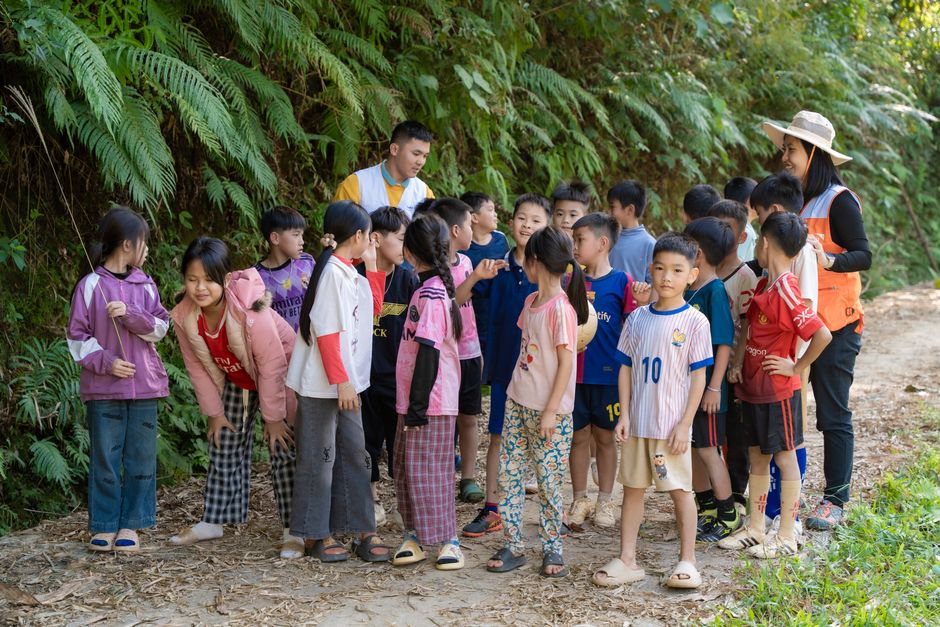
Children are naturally curious about the world around them, which makes them quick to grasp that a clean park is nicer than a messy one. The trick is to match what you teach to their age, keep it positive rather than frightening, and let them do things rather than just hear about them.
Matching the message to the age
Toddlers & nursery age
Keep it simple and concrete: rubbish goes in the bin, and we don't drop things on the ground. Turn it into a game — "can you put this in the bin for me?" — and praise them warmly when they do.
Primary school
Introduce the "why": litter can hurt animals and make places dirty. Bring in sorting — this goes in recycling, that in general waste — and let them help decide which bin.
Older children
Go deeper: where litter ends up, how plastic breaks into tiny pieces, and how rubbish travels to rivers and the sea. Encourage them to notice and question packaging and waste for themselves.
Simple activities
- Bin-sorting game. Lay out a few clean, safe items and let children sort them into the right bins. It makes recycling feel like a puzzle rather than a chore — see recycling basics for the ideas behind it.
- Spot the litter. On a walk, gently point out litter and where it should have gone. Noticing is the first step to caring.
- Reuse crafts. Turn clean jars, tubs and boxes into models or storage. It shows that "rubbish" often still has a use — the idea behind reduce, reuse, recycle.
- Take three. Older children can pick up three pieces of litter at the end of a park visit, with supervision and gloves.
Lead by example
More than any lesson, children copy what the adults around them do. If they see you binning your rubbish, carrying it home when a bin is full, and sorting your recycling, it becomes simply how their world works. A parent who mutters about a littered beach and then leaves their own crisp packet teaches the opposite of what they say.
A safety note for pick-up activities
Any activity where children handle litter needs an adult's care. Keep it safe with a few firm rules:
- Always supervise. An adult should be present and watching throughout.
- Gloves on, and use a picker. Children should wear gloves and, ideally, use a litter-picker or grabber so they never touch rubbish directly.
- Some things are off-limits. Teach a clear "leave it and tell an adult" rule for anything sharp, broken glass, needles, dog mess, dead animals, or anything they're unsure about.
- Stick to safe ground. Choose parks and open spaces away from roads, water edges and private land. Wash hands thoroughly afterwards.
With those basics in place, a short cleanup can be genuinely enjoyable and a real lesson in looking after a shared place. For a fuller guide aimed at groups, see how to organise a community cleanup, and browse more on the topics page.