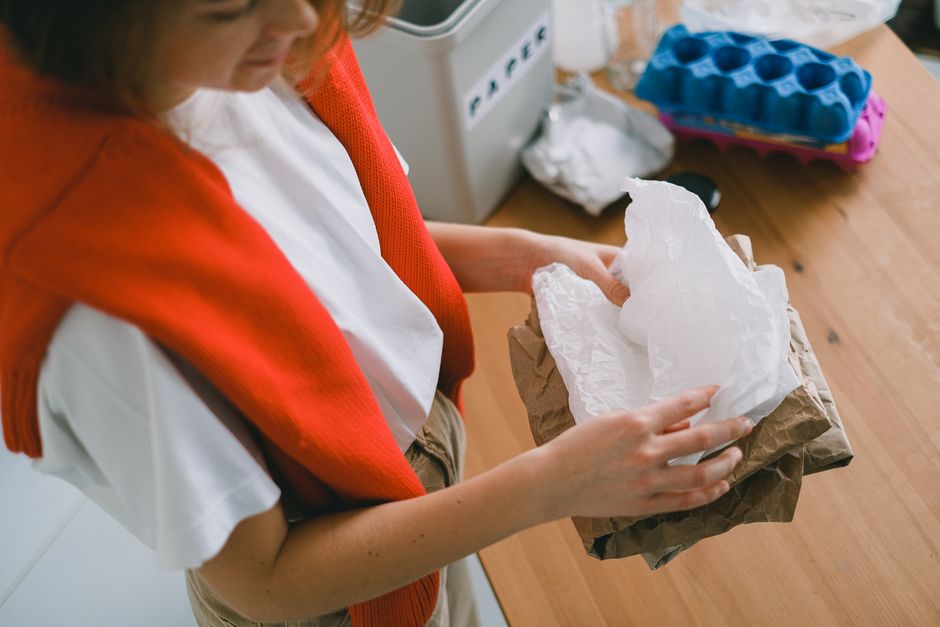
Recycling can feel like a mystery: you put material in a bin and it disappears. Understanding the rough journey it takes makes it much easier to do well — and helps explain why a few careless items can undo the effort of a whole street.
How recycling generally works
Once collected, most household recycling is taken to a sorting facility where it is separated by material — paper, card, glass, metal and certain plastics. Machines and people divide the stream, bales of each material are sold on, and reprocessors turn them into feedstock for new products. Glass is melted and re-formed, aluminium is remelted, paper is pulped, and suitable plastics are shredded and pelletised.
The catch is that this only works if the incoming material is reasonably clean and correctly sorted. When it isn't, the process slows, machines jam, and in the worst cases an entire batch is rejected and sent to landfill or incineration instead.
Common contamination mistakes
Contamination is the biggest enemy of good recycling. These are the errors that cause the most trouble:
Food and liquid residue
A greasy pizza box or a bottle half-full of drink can spoil the paper and card around it. A quick rinse and a good shake make the difference.
Wish-cycling
Putting something in "hoping" it's recyclable often does more harm than good. If you're unsure, check rather than guess.
Bagged recycling
Recycling sealed inside a plastic bag is frequently pulled out and binned unopened. Loose items are usually best unless local rules say otherwise.
Mixed materials
Items that fuse several materials — foil-lined pouches, some coffee cups — are hard to separate and often can't be recycled kerbside.
Things that trip people up
- Plastic film and bags usually can't go in kerbside recycling; many supermarkets take them at collection points instead.
- Small items like bottle caps and shredded paper can fall through sorting machinery — check whether yours accepts them.
- Electricals and batteries must never go in general recycling; they need dedicated collection and can cause fires in trucks.
- Black plastic trays are often invisible to sorting scanners, so many areas ask you to leave them out.
Why it matters
Recycling done well saves the raw materials, energy and water that making things from scratch would demand, and keeps waste out of landfill. Done badly, it wastes the collection effort entirely and can send otherwise-good material to be burned or buried. Getting the basics right is a genuinely useful everyday act.
Still, recycling is the last line of defence, not the first. Cutting waste before it exists is always better — see reduce, reuse, recycle. And when packaging escapes the system it becomes the common litter that ends up in our streets and waterways.
Local rules vary a great deal. Accepted materials, sorting requirements and collection days differ between councils and countries. Always follow your own local service's guidance — this page describes general principles, not the rules for your area. Browse more on the topics page.