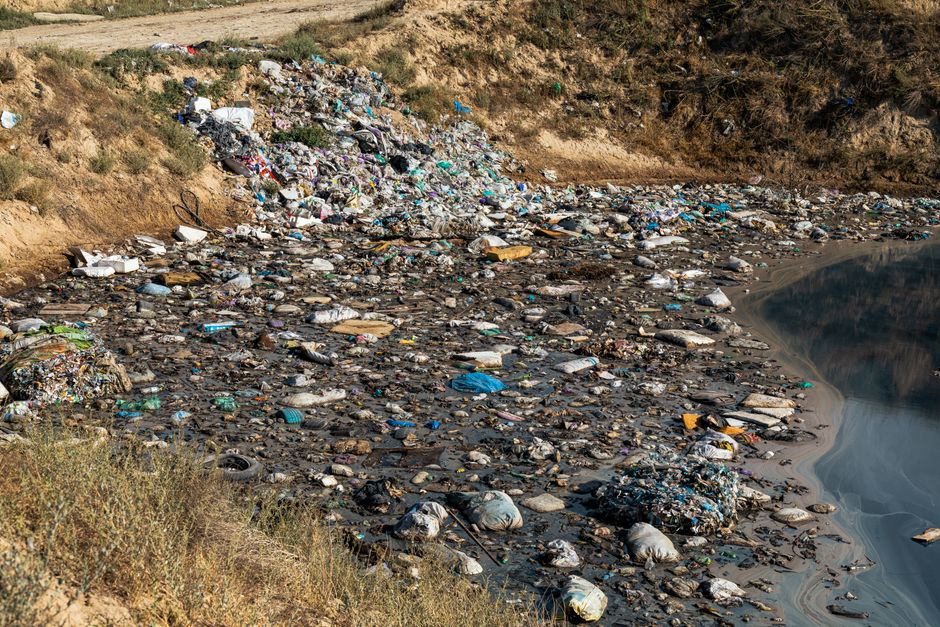
Water quality can seem like a problem for treatment plants and industry, far removed from a stray bottle on the kerb. In reality the two are closely linked. Much of the litter that ends up in rivers and lakes never started there — it began as ordinary street litter and was washed downhill by the next shower of rain.
The path from street to stream
When it rains, water runs off pavements and roads into drains and gutters, carrying loose litter with it. Many storm drains lead, untreated, straight to the nearest river or the sea. So a wrapper dropped miles inland can travel through the drainage network and out into open water without anyone touching it. This is why the litter found on riverbanks and beaches so often bears the packaging of everyday shops far from the coast.
How litter pollutes water
- Physical debris. Bottles, bags and packaging float, sink and snag, fouling banks, beds and shorelines and entangling wildlife.
- Microplastics. Plastic in water doesn't disappear; it breaks into ever-smaller fragments that spread through the food chain and are hard to remove.
- Leached chemicals. Some discarded items release substances as they degrade. Cigarette butts, for example, contain a plastic filter and can release the toxins they've trapped into water — more on cigarette-butt litter.
- Rotting organic waste. Dumped food and garden waste can lower oxygen levels in water, harming fish and other life.
Drinking-water catchments
Some of the land that drains into our rivers and reservoirs is a catchment for drinking water. Keeping litter and pollution out of these areas protects the supply at its source and reduces the work needed to make water safe. Fly-tipping and dumping near watercourses are a particular concern, because concentrated waste can affect a catchment quickly.
Storm systems and blockages
Litter doesn't only pollute water — it interferes with the systems built to manage it. Accumulated wrappers, bottles and debris block drains and gullies, and blocked drainage backs up during heavy rain, contributing to surface flooding. Clearing these blockages is another avoidable cost, adding to the true cost of litter.
What helps
- Never pour or tip anything down a storm drain — many lead straight to rivers, not to treatment.
- Keep street litter out of gutters; secure your bins so rubbish can't blow into the road.
- Cut single-use packaging so there's less to escape in the first place — see reduce, reuse, recycle.
- Join or organise a cleanup near a river or beach, where litter is one step from the water.
- Dispose of oils, paints and chemicals through proper collection points, never down a drain or gully.
Protecting water quality turns out to be surprisingly local. A clean street, a secured bin and a rinsed drain grate all keep rubbish out of the systems that end at a river mouth. It's worth remembering that the water leaving your area is someone else's water arriving downstream, and that a good share of the litter recovered from rivers and coastlines can be traced back to everyday land-based sources rather than anything dumped at sea. That means the ordinary choices we make on dry land — where we drop a wrapper, whether a bin lid is closed — quietly decide how clean the water becomes further down the line. Browse related topics on the topics page.