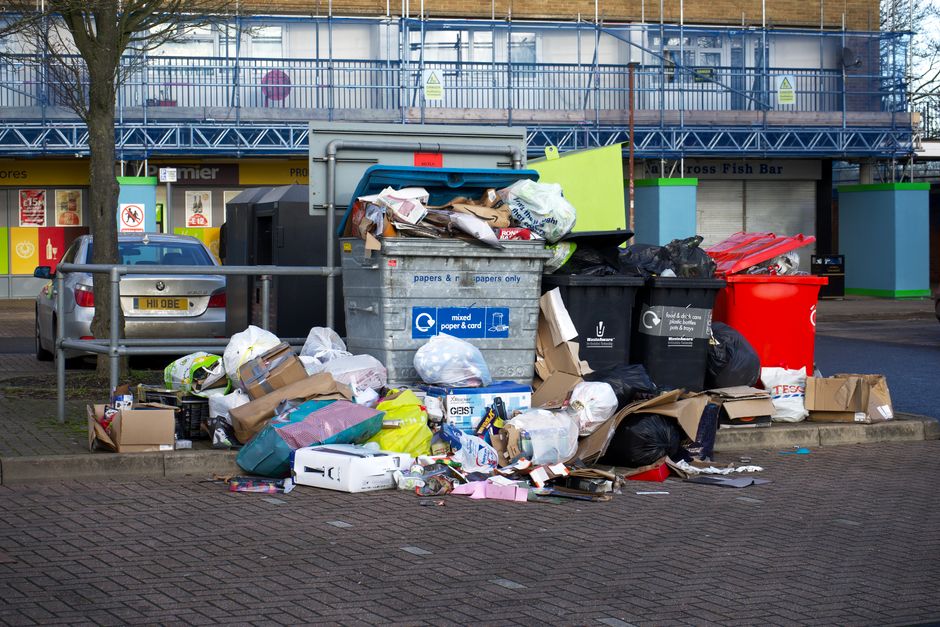
It's tempting to see a single wrapper on the pavement as harmless. The real cost of litter, though, is the sum of millions of those small acts — and it reaches well beyond the unpleasant sight of a messy street. The expense is financial, economic and social all at once.
The direct cost of cleaning up
Someone has to collect what is dropped. Street cleaning, emptying and repairing bins, clearing fly-tipping, and sweeping parks and beaches all take staff, vehicles, fuel and time. For local authorities this is a substantial, recurring line in the budget — money that could otherwise go to schools, roads or services. Every piece picked up by a paid cleaner is a small transfer from the public purse to deal with something that need never have happened.
Property, business and belonging
Litter shapes how people feel about a place, and that has real consequences.
- Property values. A visibly littered street signals neglect. Buyers and renters notice, and prices tend to reflect it. Clean, cared-for areas hold their value better.
- Local business. Shoppers avoid grimy high streets. Cafés, shops and markets do better where the surroundings are clean, so litter quietly costs traders custom.
- Pride and behaviour. Litter breeds litter. Once an area looks abandoned, people drop more, graffiti and vandalism can follow, and residents feel less ownership of their neighbourhood.
Tourism and local economies
Few things put a visitor off faster than a littered beach, viewpoint or town centre. Places that depend on tourism depend on looking cared-for, and a reputation for grubbiness is hard to shake. When visitors go elsewhere, the loss falls on hotels, restaurants, guides and everyone whose livelihood is tied to people wanting to be there.
The knock-on effects
Beyond money, litter carries costs that are harder to put a figure on but just as real:
- Blocked drains and flooding. Wrappers and bottles clog gullies and storm drains, and the resulting blockages can worsen local flooding — see litter and water quality.
- Harm to wildlife. Animals are injured by discarded packaging and fishing gear, a cost paid in suffering rather than pounds.
- Fire and safety risks. Dry litter and discarded materials can fuel fires, and broken glass is a hazard in any public space.
- Health of communities. Neglected environments are linked to lower wellbeing; a clean, green space is good for the people who use it.
The cheapest solution
Almost all of this cost is avoidable. Binning rubbish, taking it home when bins are full, and cutting waste at the source are effectively free, while cleaning it up afterwards is expensive many times over. Prevention is not just kinder to the environment — it is far better value. See reduce, reuse, recycle for how to cut waste before it starts, and common types of litter for the items that cause the most trouble.
Explore more on the topics page.